If you’ve been shopping for a new camera or reading spec sheets, chances are you’ve seen IBIS mentioned everywhere.
It sounds technical. Slightly intimidating. But it’s actually one of those features that makes photography feel easier and more enjoyable once you understand it.
Table of Contents
What is IBIS?
IBIS stands for In-Body Image Stabilisation.
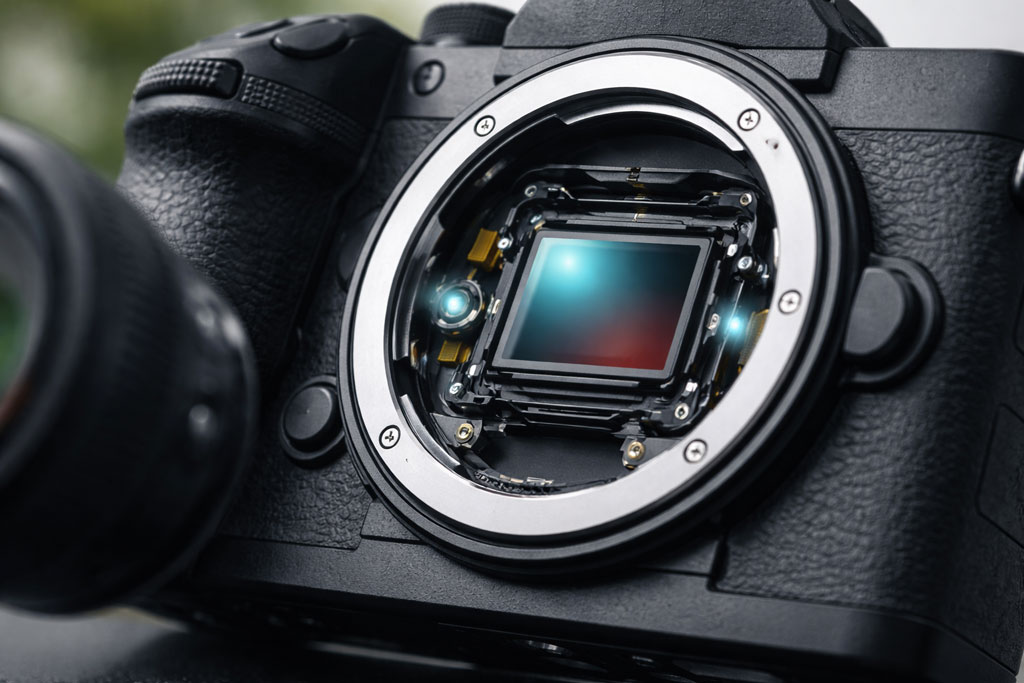
In simple terms, it’s a system inside your camera that helps reduce blur caused by camera shake. Instead of relying on the lens to do the stabilising, the camera body itself handles it.
The camera’s sensor physically moves to counteract small hand movements while you’re shooting.
Tiny movements. Big difference.
This means you can shoot at slower shutter speeds and still get sharp images, especially in low light or handheld situations.
How IBIS actually works
Inside the camera, the sensor is mounted on a movable platform.
When you slightly shake the camera (which we all do), the system detects that movement and shifts the sensor in the opposite direction.
All of this happens in real time. You don’t see it. You just see sharper photos.
Most modern systems stabilise across 5 axes, covering:
- Up and down movement
- Side-to-side movement
- Rotational movement
It’s clever stuff, but you don’t need to understand the mechanics to benefit from it.
You just shoot.
IBIS vs lens stabilisation
Some lenses have built-in stabilisation. You’ll often see it called:
- IS
- VR
- OSS
- OIS
The big difference is where the stabilisation happens.
With lens stabilisation, each lens handles it on its own.
With IBIS, the camera body does the work, even with older or non-stabilised lenses.
That’s a huge win if you like using:
- Prime lenses
- Vintage glass
- Lightweight travel setups
Both systems are good. Some cameras even combine them for extra stability.
When IBIS really helps
IBIS shines in real-world, everyday shooting.
It’s especially useful for:
- Low-light photography without pushing ISO too far
- Handheld shooting when tripods aren’t practical
- Street photography where moments happen fast
- Detail shots where tiny movements can soften the image
It also pairs beautifully with creative techniques, like working with texture and fine details. If you’re into visual elements like those covered in this guide on texture in photography, IBIS helps keep everything crisp without killing the mood.
What IBIS doesn’t do
This part matters.
IBIS does not freeze moving subjects.
If your subject is running, dancing, or jumping, you still need the right shutter speed.
IBIS only corrects your movement, not theirs.
It also won’t magically fix bad technique. You still need a steady stance and decent shooting habits.
Think of IBIS as a safety net, not a shortcut.
Is IBIS useful for video?
Absolutely.
For video shooters, IBIS can make handheld footage feel smoother and more natural.
It’s not a replacement for a gimbal, but it takes the edge off small shakes and jitters.
This is especially noticeable with:
- Talking-head videos
- Behind-the-scenes clips
- Casual handheld footage
If you’re mixing photography and video, IBIS quickly becomes one of those features you don’t want to give up.
Does IBIS affect image quality?
Not in a negative way.
In fact, it often improves image quality because you’re less likely to introduce blur from camera shake.
It also gives you more flexibility to focus on composition. Things like balance and visual flow, similar to what’s explored in this article on asymmetry in photography, become easier when you’re not fighting blur at slower shutter speeds.
Do all cameras have IBIS?
No.
IBIS is more common in:
- Mirrorless cameras
- Mid-range to professional bodies
Entry-level cameras may rely on lens stabilisation instead, or have no stabilisation at all.
If you’re unsure about terms like IBIS, OIS, or sensor shift, this camera terminology guide breaks everything down in plain English.
Should IBIS be a deal-breaker?
It depends on how you shoot.
IBIS is worth prioritising if you:
- Shoot handheld most of the time
- Work in low light regularly
- Use prime or older lenses
- Want flexibility without carrying extra gear
If you mostly shoot in bright light or always use fast shutter speeds, it’s a nice bonus rather than a must-have.
Is IBIS the same as image stabilisation in lenses?
No. IBIS works inside the camera body by moving the sensor, while lens stabilisation works inside the lens. Both aim to reduce camera shake, but they operate in different places.
Does IBIS help with night photography?
Yes, especially for handheld night shots. IBIS lets you use slower shutter speeds without introducing blur from hand movement, as long as your subject isn’t moving.
Can IBIS be turned off?
Yes. Most cameras allow you to switch IBIS off, which can be useful when using a tripod or experimenting with intentional motion blur.